Few cities on Earth achieve what Istanbul does so effortlessly: connecting two continents, two civilisations and thousands of years of history within one vibrant heart. Golden domes rise beside Byzantine churches, the scent of spices fills the air, and ferries crossing the Bosphorus remind you that here, Europe and Asia shake hands.
Imperial treasures
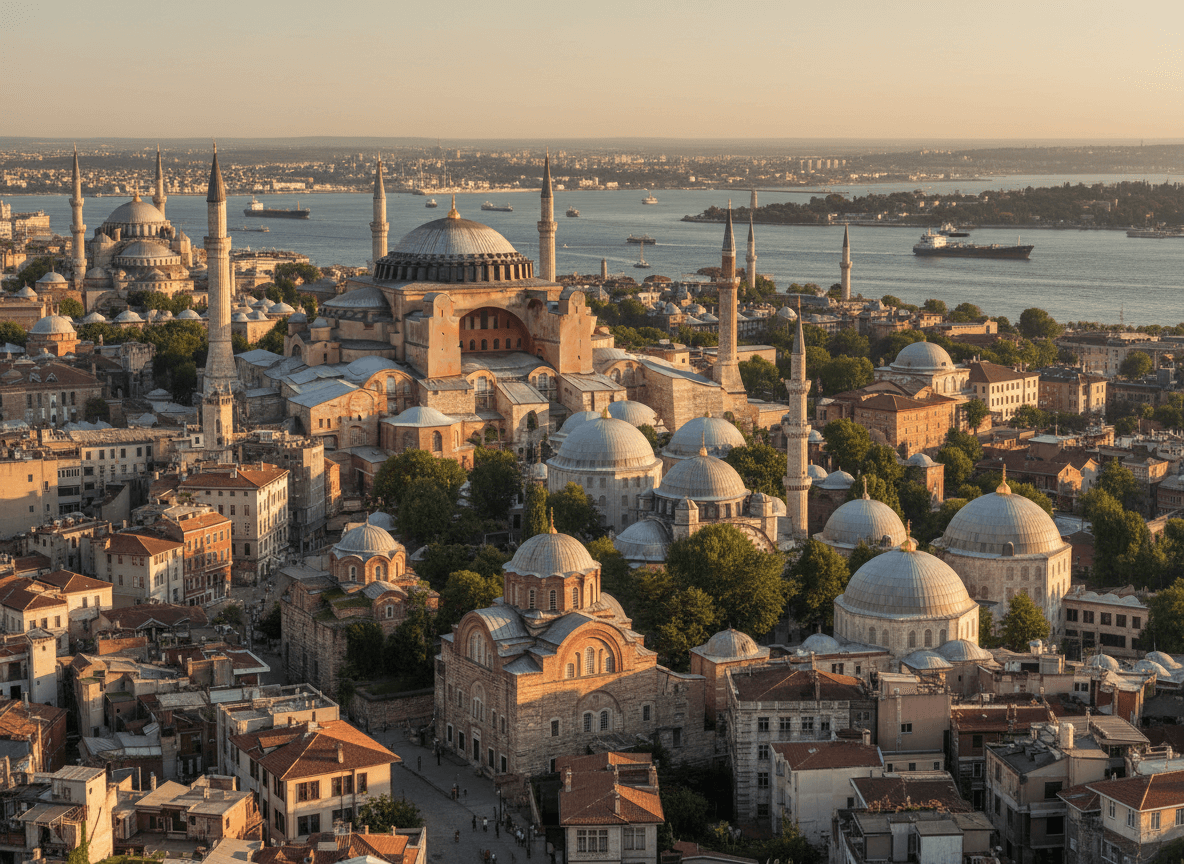
Istanbul was the capital of three great empires, Roman, Byzantine and Ottoman, and the city feels like a living museum of civilisations. Hagia Sophia, whose immense dome seems to float in the sky, has been church, mosque, museum and mosque again. Topkapı Palace, with its perfumed gardens, grand courtyards and sea views, tells tales of sultans and empire. Beneath the old town, the Basilica Cistern holds its forest of columns over still water.
What to see in Istanbul
Sultanahmet: Hagia Sophia, the Blue Mosque, the Hippodrome, Topkapı Palace and the Basilica Cistern, all within walking distance.
The Grand Bazaar and the Spice Bazaar: more than 4,000 shops under painted vaults, then saffron, tea and lokum by the Golden Horn.
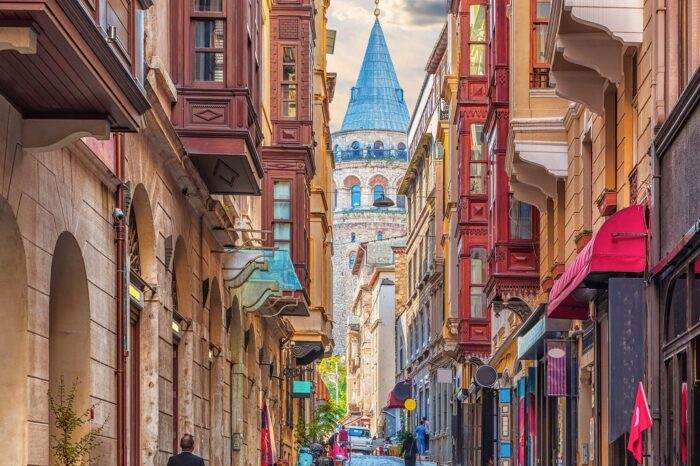
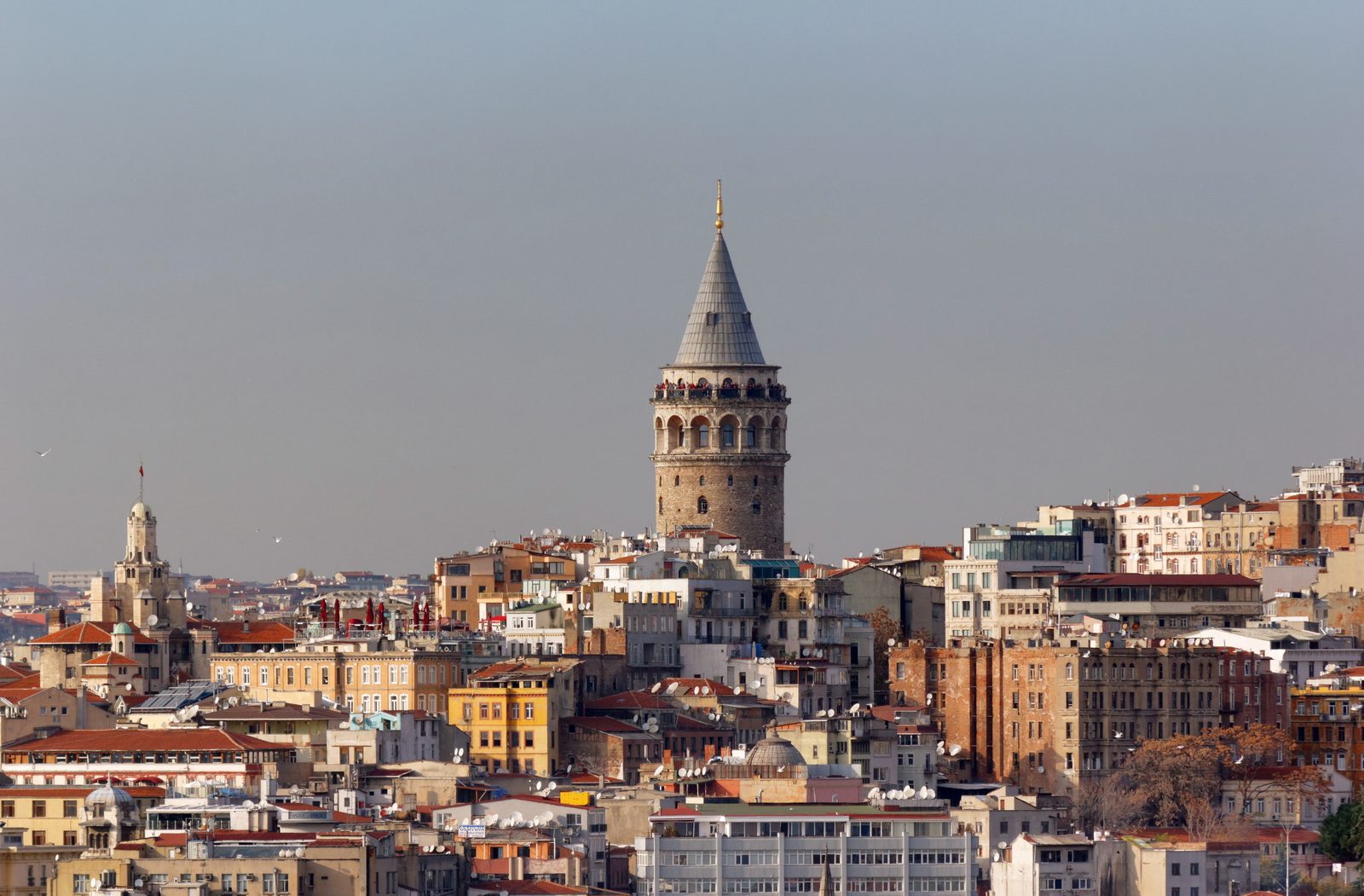
Galata and Beyoğlu: the Galata Tower, İstiklal Avenue and the galleries of Karaköy.
Balat and Fener: colourful houses, churches and old neighbourhood life on the Golden Horn.
The Asian side: the markets of Kadıköy, the seafront at Moda and the mosques of Üsküdar.
Life between the Bosphorus and the Golden Horn
Water is the soul of Istanbul. A cruise along the Bosphorus reveals Ottoman mansions, seaside mosques and sunsets in gold and rose. A public ferry from Eminönü or Karaköy to Kadıköy costs a few lira and is one of the best views in the city.
Flavours that tell stories
Mezes on a seaside terrace, pistachio baklava with thick Turkish coffee, lokum from century-old stalls in the Grand Bazaar: through every flavour you taste the city’s soul. Our Turkish food guide lists the dishes to look for.
How many days in Istanbul?
Three full days cover the essentials: one for Sultanahmet, one for the bazaars and the Bosphorus, one for Galata, Balat and the Asian side. Four to six days let you slow down, add the Princes’ Islands or a hammam, and see the city at different hours. Our Six Days in the Heart of Istanbul itinerary shows how we pace a week in the city. For a day-by-day plan, see our 4 and 5-day Istanbul itinerary, and for a day out, our day trips from Istanbul.
When to visit Istanbul
Spring (April to early June) and autumn (September to November) bring mild weather and soft light. Summer is warm and humid, with long evenings by the water. Winter is cool and often rainy, but museums are quieter and the city is at its most local. For the rest of the country, see our guide to the best time to visit Turkey.
Traveller’s tips
Mosques: shoulders and knees covered, a scarf for women; visits pause during prayer times, especially at Friday midday.
Getting around: trams, ferries and the metro are fast and cheap; walking is the best way through the old town.
Unique experience: a traditional Turkish bath (hamam).
Istanbul with KAMPA Tours & Events
Most KAMPA journeys begin in Istanbul, guided by locals, with carefully chosen hotels. Spend a week in the city with Six Days in the Heart of Istanbul, or continue to Cappadocia, the Aegean and Greece with From Istanbul to Athens. Our Istanbul destination page lists every tour that stays in the city.