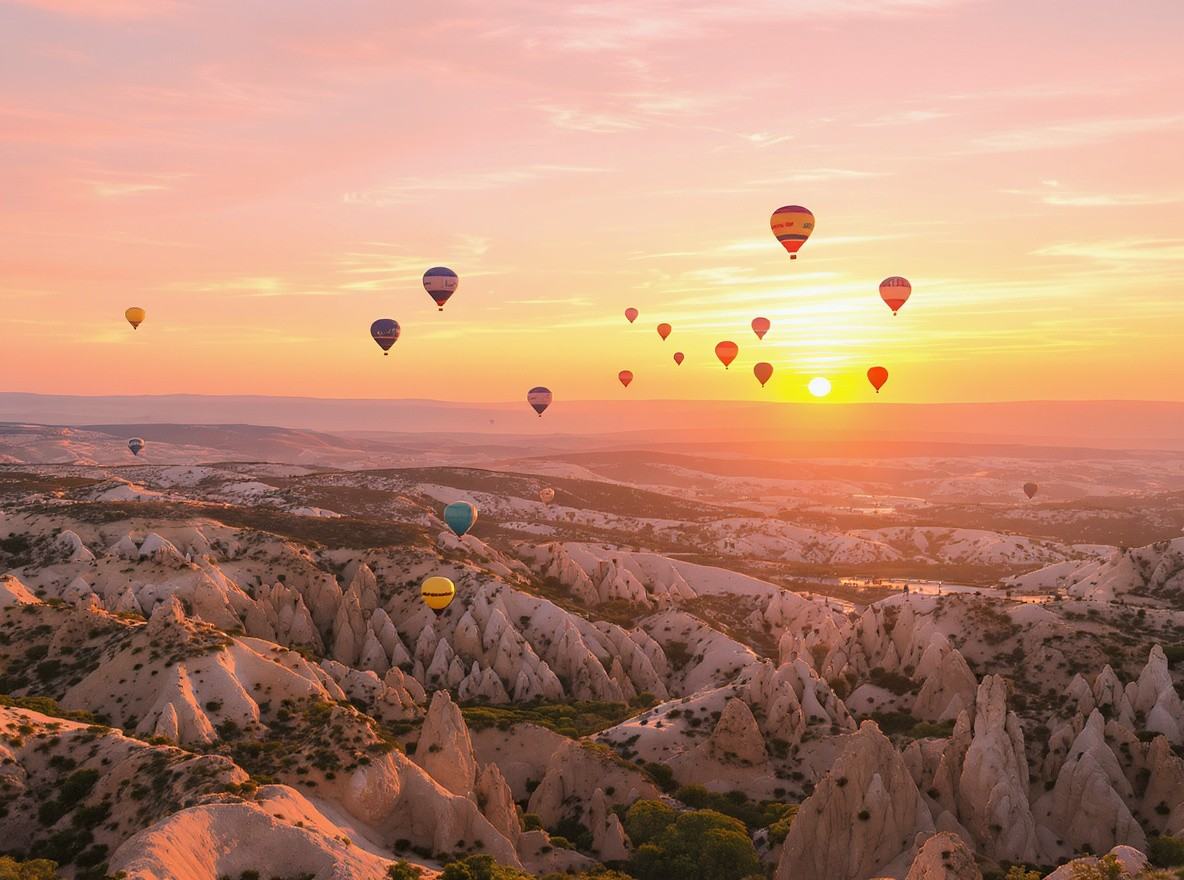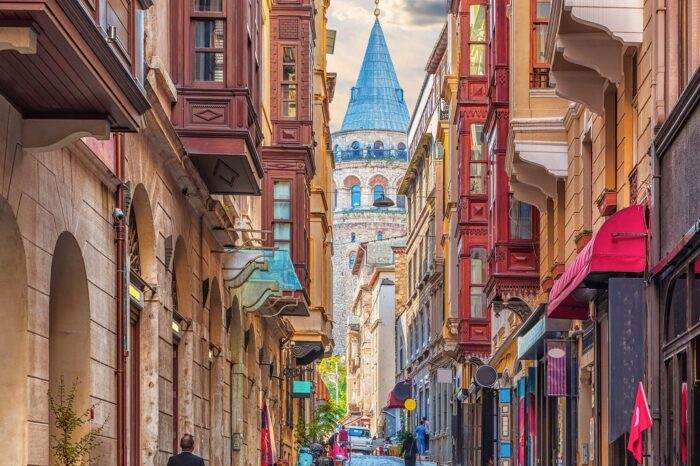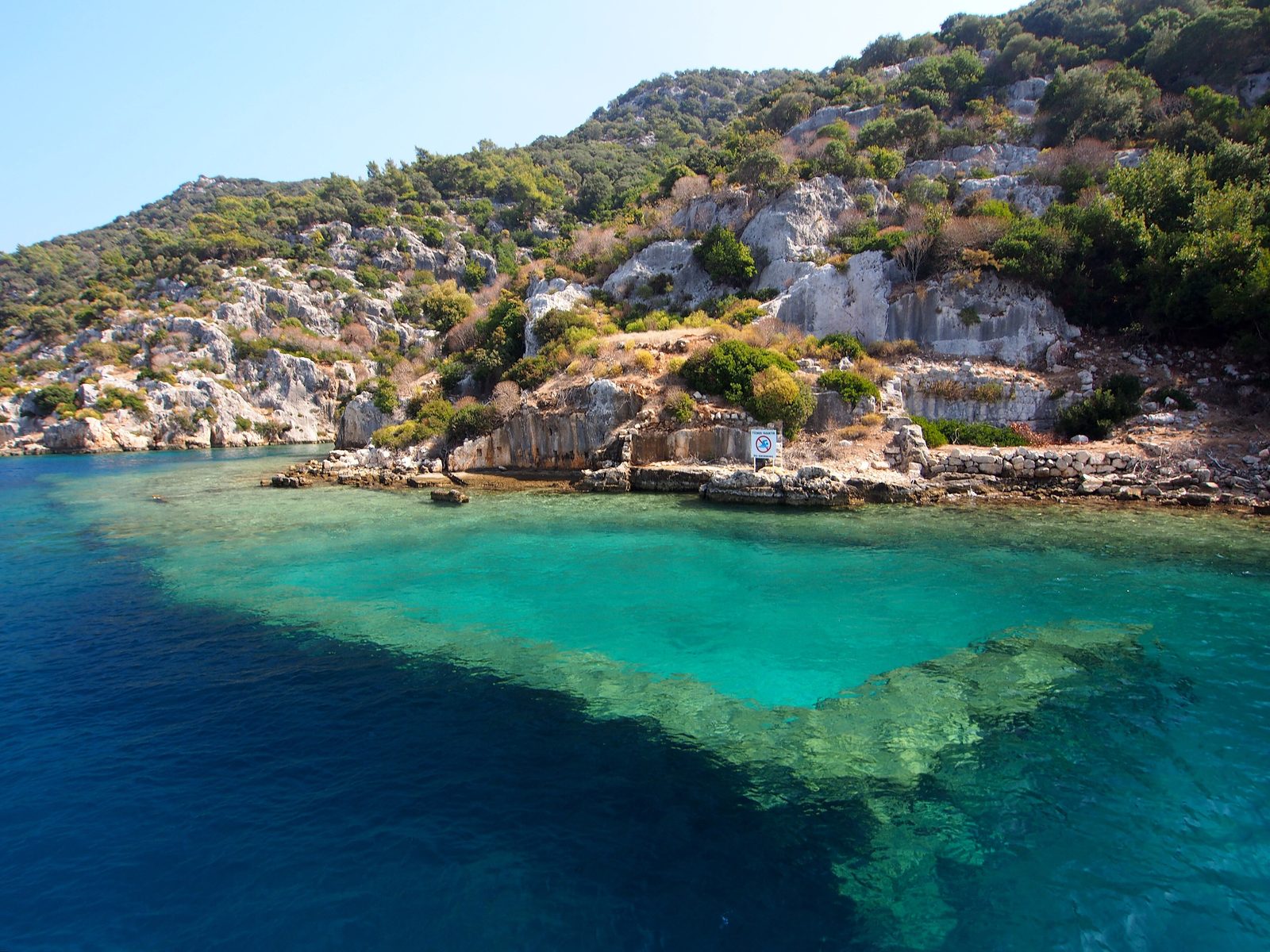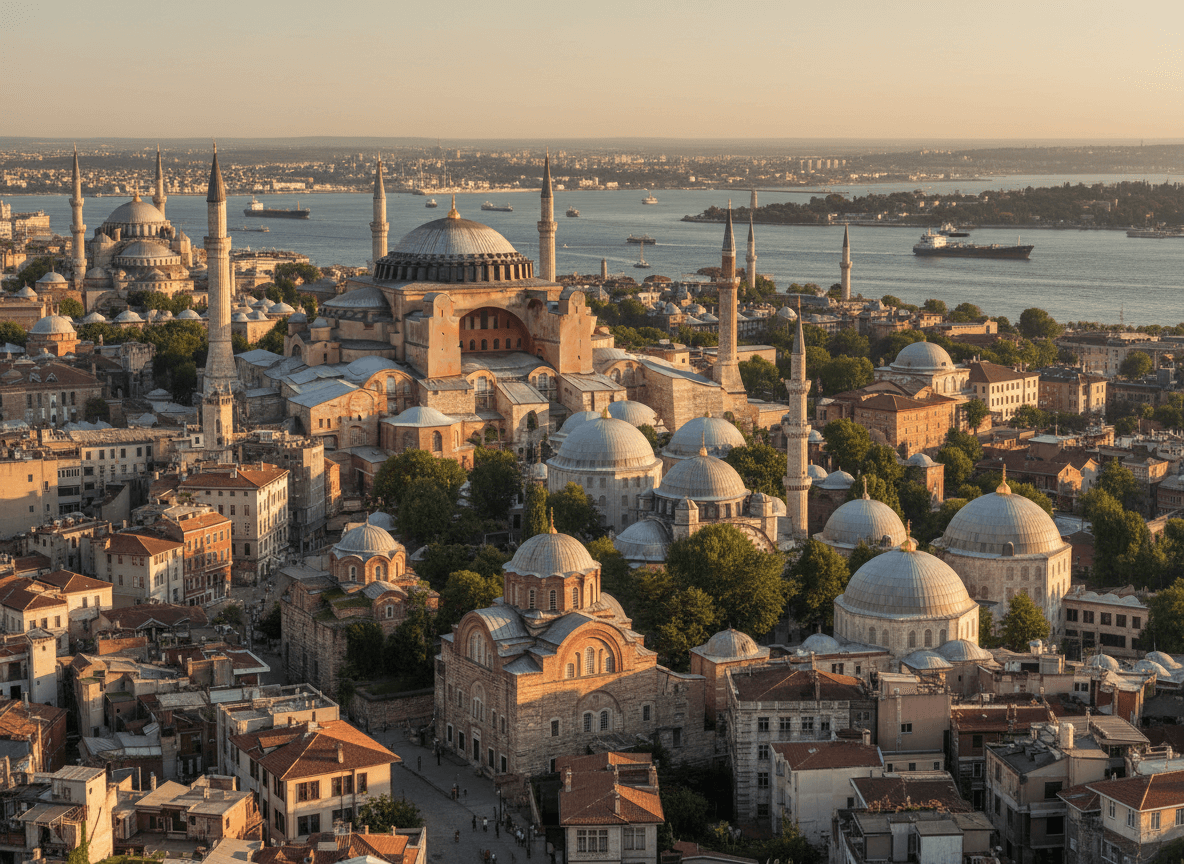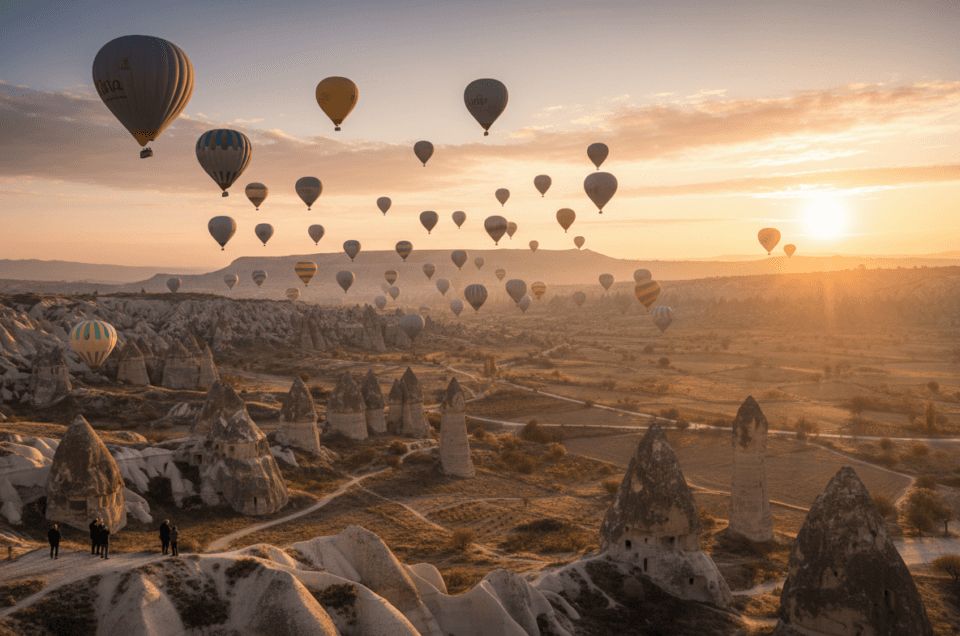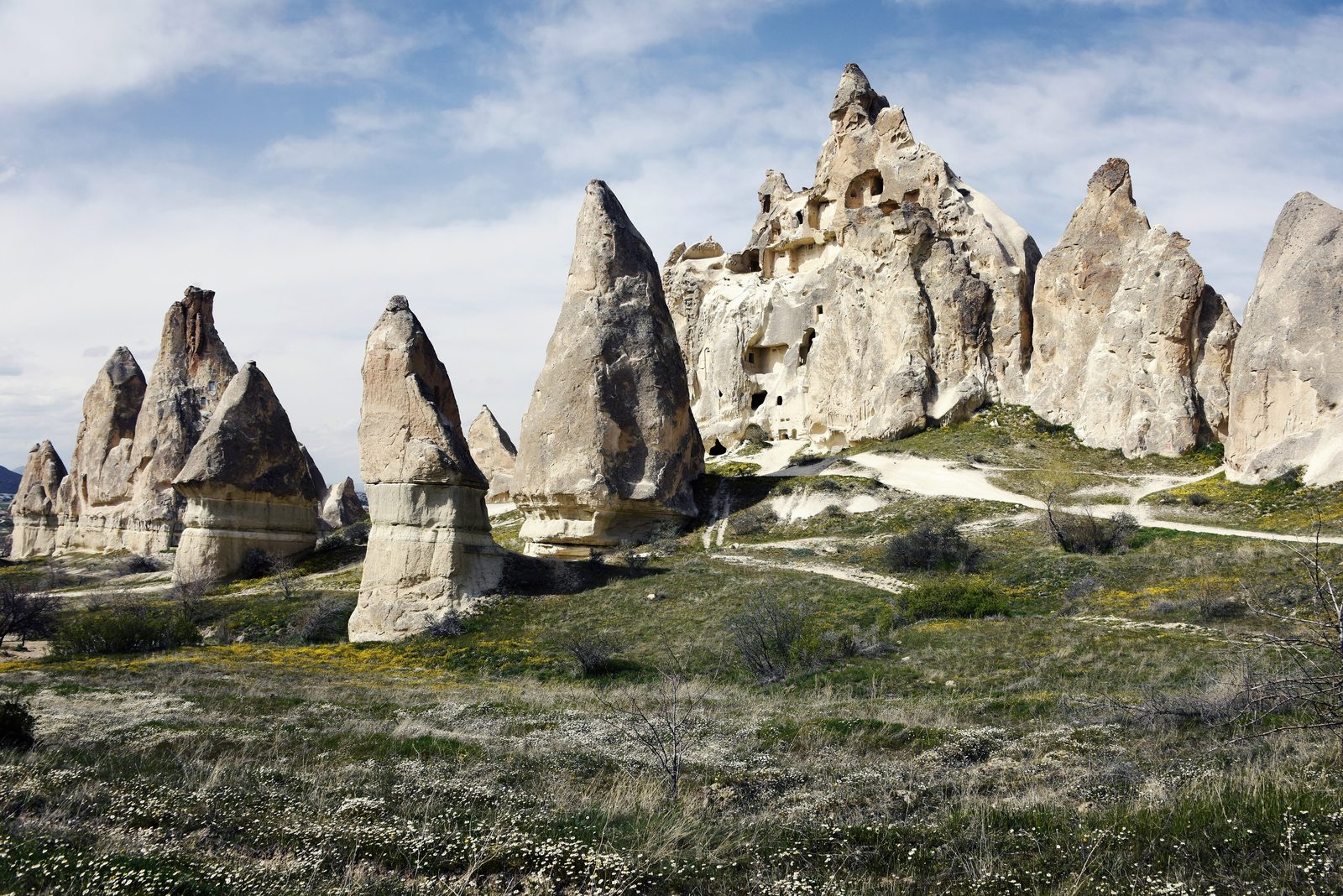
Cappadocia in winter is cold, quiet and often white. In Nevşehir, the main town of the region, December averages a daytime high of 6.2 °C and a night-time low of -1.3 °C, according to Türkiye’s State Meteorological Service (MGM). In return for short days and icy paths you get snow on the fairy chimneys when it falls, quieter valleys and soft winter light. Paired with Istanbul, it is a calm way to spend New Year in Türkiye: our winter tour spends the night of 31 December in Cappadocia.
How cold is Cappadocia in winter?
Long-term averages for Nevşehir, measured from 1959 to 2025, from the official MGM climate statistics (checked in November 2026):
December: average high 6.2 °C, average low -1.3 °C.
January: average high 4.0 °C, average low -3.6 °C, the coldest month.
February: average high 5.5 °C, average low -2.6 °C.
Each of these months has about 12 days with rain or snow on average, and December and January get about three hours of sunshine a day. Precipitation can fall as rain or as snow, so a white landscape on your exact dates is never certain. Days are short: plan outdoor visits for the middle of the day.
Is Cappadocia worth visiting in winter?
Yes, if you come for the landscape and the sites rather than for long hikes, and if you can live with some uncertainty about the balloons.
For it: snow on the rock formations when it falls, quieter viewpoints and the low winter light across the valleys.
Against it: cold mornings, short days, slippery paths after snow or frost, and more frequent balloon cancellations.
If a balloon flight is the main reason for your trip, spring or autumn is the safer choice; our guide to the best time to visit Turkey compares the seasons.
Do hot air balloons fly in winter?
Yes, on the mornings when the civil aviation authority allows it, but wind, snow and fog cancel flights more often than in the rest of the year. Our Cappadocia hot air balloon guide explains how that decision is made, what a flight costs and what happens after a cancellation. For winter, the practical rule is simple: keep at least two mornings in Cappadocia.
What to do in Cappadocia in winter
Göreme Open-Air Museum: rock-cut churches with Byzantine frescoes.
An underground city: Kaymaklı or Derinkuyu, several levels deep; our guide to the underground cities helps you choose.
Uçhisar Castle and Pigeon Valley: the classic viewpoints over the valleys, at their best after fresh snow.
Red Valley at sunset: a short walk; after snow or frost, keep to the main path.
Avanos: pottery workshops on the Kızılırmak, a good indoor stop on a cold afternoon.
Opening hours of museums and sites change with the season. Check them on the Ministry of Culture and Tourism’s museum site before you go.
What to wear in Cappadocia in winter
Layers: a warm base layer, a fleece or jumper and a windproof jacket.
Hat, gloves and scarf: in Nevşehir, the average low is below freezing from December to February.
Waterproof shoes with grip: valley paths turn muddy or icy.
One more layer for a balloon morning: pick-up is before dawn, the coldest hour of the day.
Where else to go in Türkiye in winter?
In winter, Istanbul and Cappadocia are the strong pair, and the coast is quiet.
Istanbul
MGM averages for Istanbul (1950 to 2025) give a December high of 11.8 °C and a low of 6.5 °C, with about 16 days of rain or snow in December and again in January. Expect cool, often wet days and quieter museums. Our Istanbul in 4 or 5 days plan works in winter too; keep a covered stop, such as a museum or the Grand Bazaar, for the rainiest afternoon. Source: MGM, Istanbul.
Antalya and the coast
Antalya is the mildest stop: a December average high of 16.7 °C and low of 7.7 °C (MGM, Antalya, 1930 to 2025). December is also Antalya’s wettest month on average, and many beach businesses close in winter, so this is a season for Aspendos, Perge and the old town of Kaleiçi rather than the beach.
The far east
Kars and Erzurum have long, snowy winters. For travellers who want deep snow, the touristic sleeper train between Ankara and Kars runs in winter (in November 2026, TCDD lists its season from late December to March); see our guide to Kars, Ani and the Doğu Express.
New Year in Cappadocia: the 27 December departure
Highlights of Turkey in winter is our 14-day escorted tour (13 nights), with a single departure on 27 December 2026. The night of 31 December falls in Cappadocia:
27 to 29 December (days 1 to 3): arrival and two days in Istanbul: Hagia Sophia, Topkapı Palace, the Blue Mosque, the Basilica Cistern, Chora, a Bosphorus cruise and the bazaars.
30 December (day 4): Ankara, with Anıtkabir and the Museum of Anatolian Civilizations.
31 December (day 5): into Cappadocia: Uçhisar, Pigeon Valley and Red Valley at sunset. Dinner is included that evening, and the night is in Cappadocia.
1 January (day 6): Göreme Open-Air Museum, Kaymaklı Underground City and Avanos.
2 January (day 7): Sultanhanı Caravanserai and the Mevlâna Museum in Konya, on the way to Antalya.
3 to 7 January (days 8 to 12): Aspendos, Perge, Side and Kaleiçi; Pamukkale and Hierapolis; Ephesus and Şirince; Pergamon and Ayvalık; Troy, then back to Istanbul.
8 and 9 January (days 13 and 14): a free day in Istanbul, then departure.
Guides speak English, Dutch, Spanish, French or German. The balloon flight is an optional extra and not included. In November 2026 the tour page lists a starting price of €1,070 per person, for two sharing a double room and without international flights; the firm price for your dates is confirmed in writing.
New Year in Istanbul instead
If you prefer a city New Year, Six Days in the Heart of Istanbul runs from 27 December 2026 to 1 January 2027, so the night of 31 December falls in Istanbul. It covers the Historic Peninsula, Chora and Balat, Galata and İstiklal Avenue, and Kadıköy and Moda on the Asian shore, from a hotel in Taksim. In November 2026 its tour page lists a starting price of €510 per person. The same programme runs year-round on request.
Both itineraries can also run privately on your own winter dates. Send us your dates and we will reply with hotels and a firm price.